School staff understand the power of a good game better than most.
Give people a clear goal, meaningful choices and some indication of how they’re doing, and they’re far more likely to stay involved. Give them six pages of instructions or a hours-long presentation containing 87 bullet points, and the results will be slightly different.
The same principle applies to workplace learning.
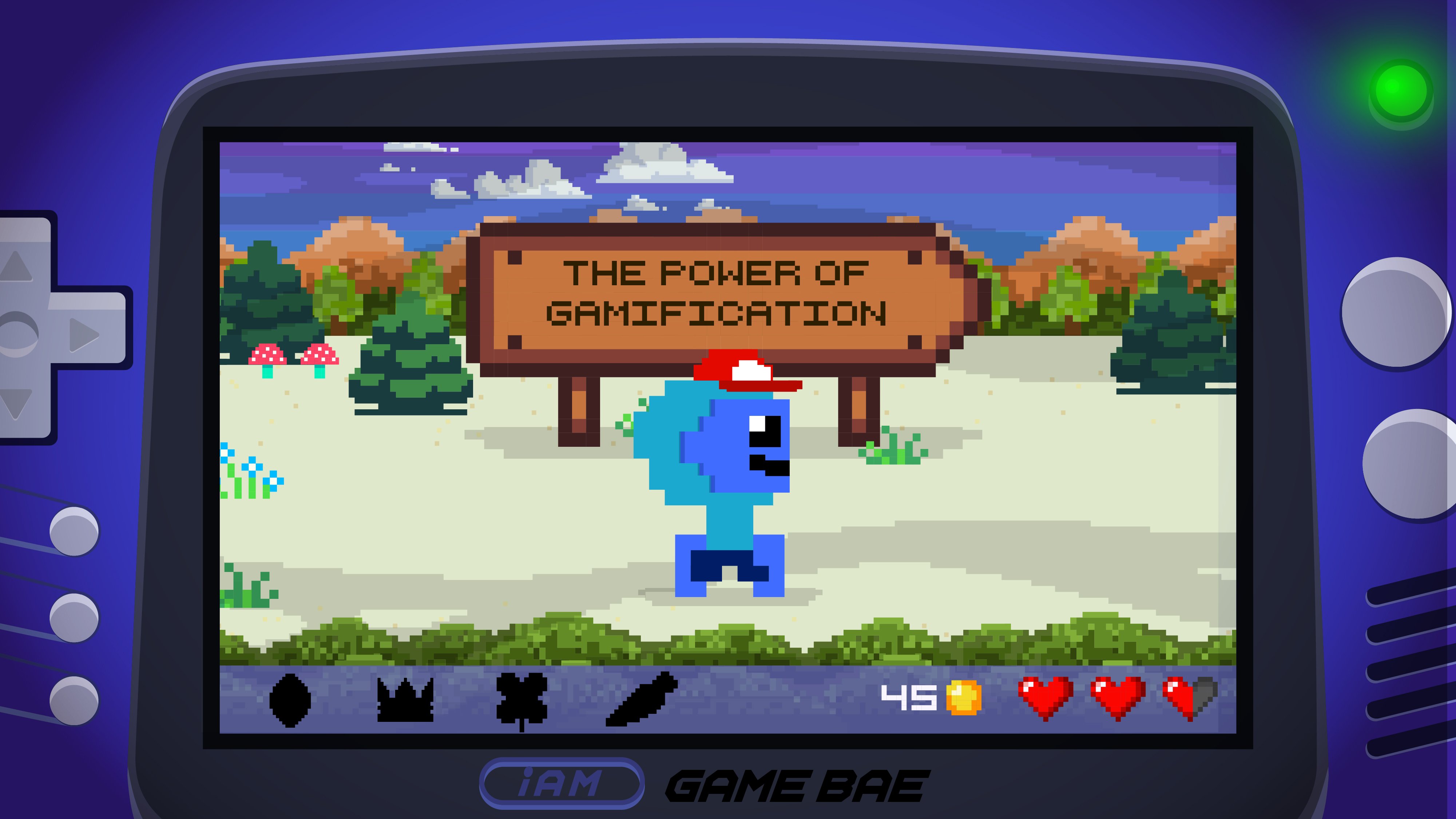
Gamification means taking familiar elements from games and using them in a non-game setting. This might include progress markers, challenges, rewards, decisions or immediate feedback.
It doesn’t mean turning every compliance course into Need for Speed: Evacuation. The aim is to borrow the things that make games engaging and use them to support the learning.
A couple of familiar examples show how effective that can be. If you don’t know these brands, well, where have you been?
What Duolingo gets right
Anyone who’s encountered Duolingo’s cute green owl mascot will know that it can be surprisingly... persuasive. Maybe a little aggressive at times, too. But all with good intentions: to help you keep your learning on track.
The app breaks language learning into short lessons, provides users with immediate feedback and rewards them for returning regularly. Learners can build streaks, earn points, reach milestones and, if they choose, compete with others. The individual activities are small, but the sense of progress keeps people coming back.
There’s an important lesson here for staff training. A large subject can feel
overwhelming when presented all at once. Breaking it into focused stages gives learners a clearer path through the content and helps them see what they’ve achieved.
Why Kahoot! feels so familiar
Kahoot! is already well-known to many teachers. Its quizzes turn answering questions into a more active and social experience, with points, feedback and a little friendly competition. It’s ideal for classroom quizzes at the end of term.
Learners aren’t just being told whether they understood something. They’re actively testing their knowledge and seeing the result immediately. That approach can work for adults too.
A well-placed question or decision can wake somebody up and make them think about what they’ve just learned. It can also help identify misunderstandings before the learner carries them into a real situation.
The valuable bit isn’t the leaderboard or the dramatic countdown music (although we do have a soft spot for both, admittedly). It’s participation and feedback.
So, what can workplace learning borrow from games?
Good gamification isn’t about scattering points and badges across a course and hoping for the best. It uses game principles with a clear purpose.
Here are three that matter.
1. Give learners a clear goal
Games tell players what they’re trying to achieve. Workplace learning should do the same. Staff should understand from the beginning what they’re going to learn, why it matters and where they might need to use it.
“Complete this mandatory module” isn’t an especially inspiring objective. “Know what to do if a pupil has a severe allergic reaction” gives the learning an immediate purpose.
2. Make progress visible
People like knowing that they’re moving forward. Short sections and clear progress markers make a course feel manageable, especially when staff are fitting training around lessons, meetings and other responsibilities.
Each part should also feel useful. Learners shouldn’t have to work through several minutes of background information before reaching something relevant to their role.
3. Let people participate
Games require people to do something. Effective learning should too.
This might involve answering a question, spotting a hazard, making a decision or considering how a character should respond to a realistic situation.
Interaction gives learners an opportunity to apply information rather than simply watch it pass by. It also encourages them to think about what could happen as a result of different choices.
When gamification goes wrong
Not everybody is motivated by competition. Some people love leaderboards and the chance to beat a colleague’s score. Others would rather complete their training quietly without being told that Dave from Finance is 400 points ahead.
That’s one of the common reasons people avoid playing Kahoot and break their Duolingo streak. There’s a time and a place for this stuff. That’s why game elements need to suit the audience and subject.
A playful challenge might work well in one course but feel inappropriate in training about safeguarding, bereavement or mental health. Rewards should never distract from the purpose of the learning, and nobody should feel embarrassed or excluded because they don’t enjoy competing.
The learning comes first. The game mechanics are there to support it.
How iAM Academy keeps learners involved
We don’t try to turn every iAM Academy course into a game. We do use many of the same principles that make games engaging. Our courses give staff clear objectives, break subjects into bite-sized sections and use animation, storytelling, interaction and realistic school scenarios to keep learners involved.
Characters face problems. Learners consider decisions. Questions provide feedback and reinforce the important points.
The aim isn’t simply to make training more entertaining. It’s to help school staff understand the subject, remember what they’ve learned and feel confident applying it when it matters.
Ready to make staff training more engaging?
If you already use iAM Compliant, upgrading to iAM Academy gives your school or trust access to our complete library of more than 400 bite-sized courses.
Upgrade to iAM Academy today and give your staff learning designed to keep them involved.
.png)